Modernizing Commute Trip Reduction Law
What is Commute Trip Reduction (CTR) Law?
Commute Trip Reduction (CTR) is a Washington State law and program that reduces drive-alone commuting by encouraging transit, ridesharing, biking, walking, and telework.
Originally established in the 1990’s as part of Washington’s Clean Air Act, CTR was enacted to reduce congestion, improve air quality, and lower greenhouse gas emissions caused by people driving alone to work.
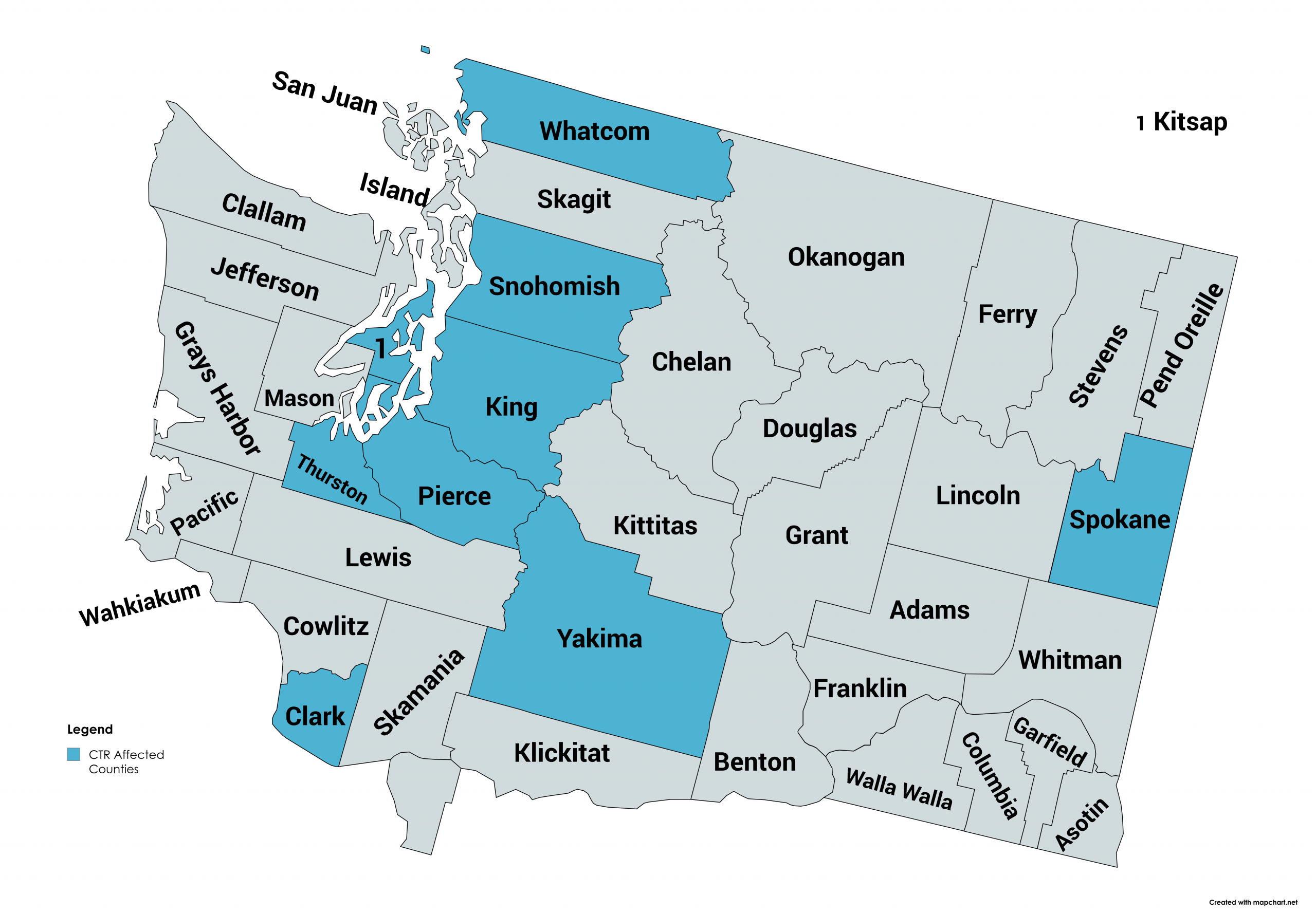
The law requires large employers in the state’s nine most populous counties to develop and implement an employee commute program to reduce the number and length of drive-alone commute trips made to the worksite.
Local jurisdictions (cities and counties) implement ordinances to define how the law applies to worksites in their area, and these jurisdictions are required to provide training and technical assistance for employers.
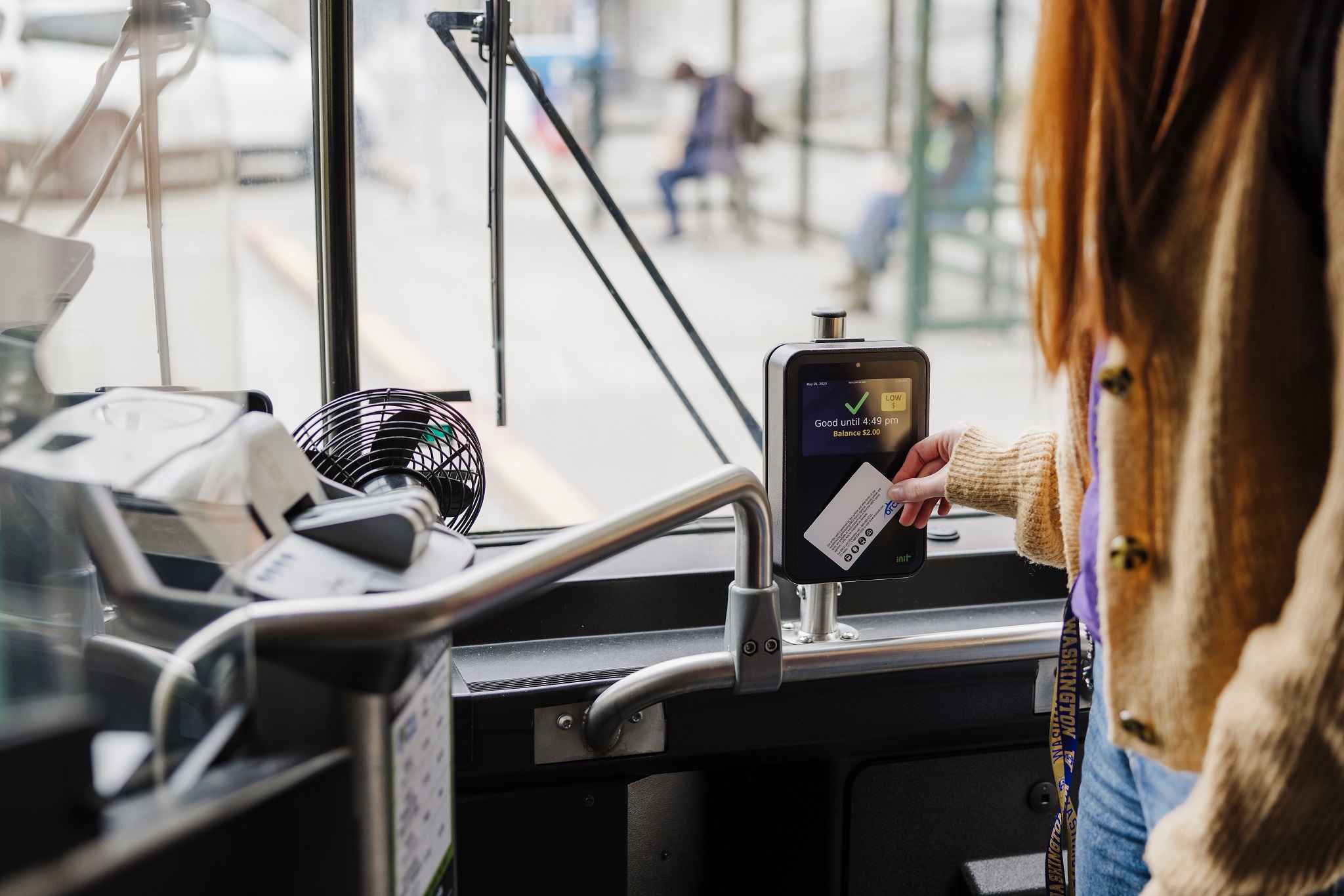
“Please keep up incentives for downtown employers to subsidize ORCA cards! There’s no parking and traffic is horrible, so I love my ORCA card! Supporting and funding transit is a huge component to revitalizing downtown.”
– CTR-affected employee, Commute Seattle Survey
What the Current Law States:
Currently, worksites in the nine most populous counties are affected by the CTR law if they have 100 or more affected employees. An affected employee is currently defined as:
A full-time employee who begins their regular workday at a major employer worksite between 6:00 a.m. and 9:00 a.m. on two or more weekdays.
What this means in practice:
- Shift workers, healthcare staff, retail, manufacturing and service employees who start outside of the 6-9 a.m. window are often excluded.
- Many low-income and essential workers are left out of programs that help them get to work in a sustainable and affordable way- such as transit pass programs, vanpool subsidies, and bike benefits.

Proposed Changes:
Our goal is to update the CTR program to be more inclusive of businesses with employees who work shifts, overnight and reflect the flexibility of hybrid workplaces. House Bill 2307 removes the “6:00 a.m. to 9:00 a.m.” requirement from the CTR law’s definition of “affected employee”.
Why is this important?
Revising the Commute Trip Reduction Law would make our program more equitable by reaching employees who are often paid less, and are more reliant on transportation options like walking, biking, and transit to get to work.
Commute Seattle’s 2024 Commute Study found that in Seattle, “Most CTR-affected respondents live in higher-than-average income households, with 43% of respondents reporting a household income of $180,000 or more. The lowest income respondents are the least likely to do remote work and have the highest share of public transit use.”
By adjusting our Commute Trip Reduction Law to include more employers, more workplaces will develop commute programs and incentives to the employees who need it most.
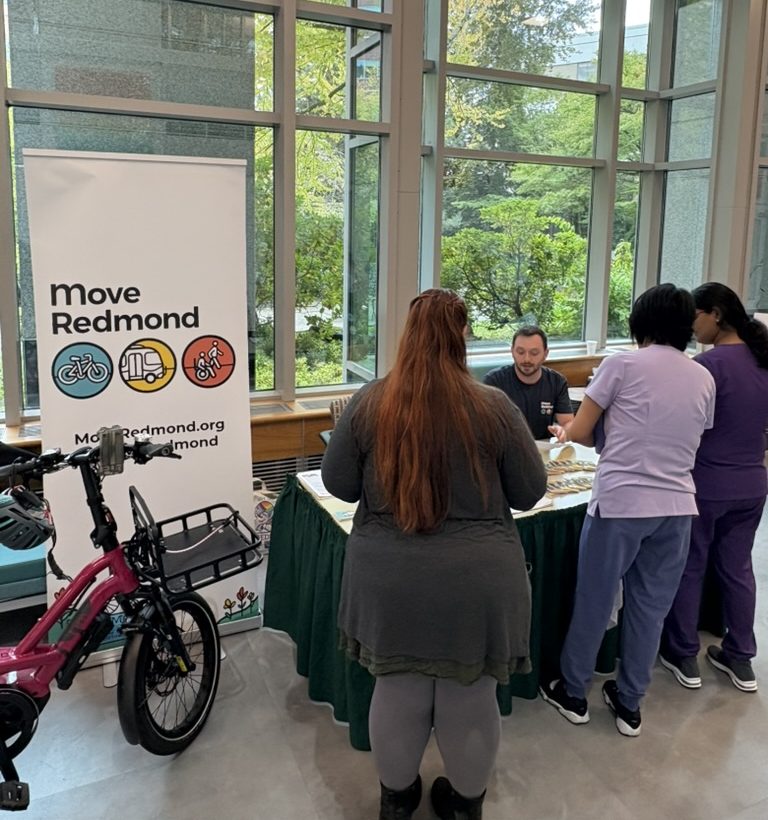
We’ve definitely seen more employees stopping by to sign up since we started doing weekly Lunch & Learns. Once people have that ORCA card in their hand, it really does entice them to give transit a try,
– EvergreenHealth, CTR-affected site
CTR Testimonies
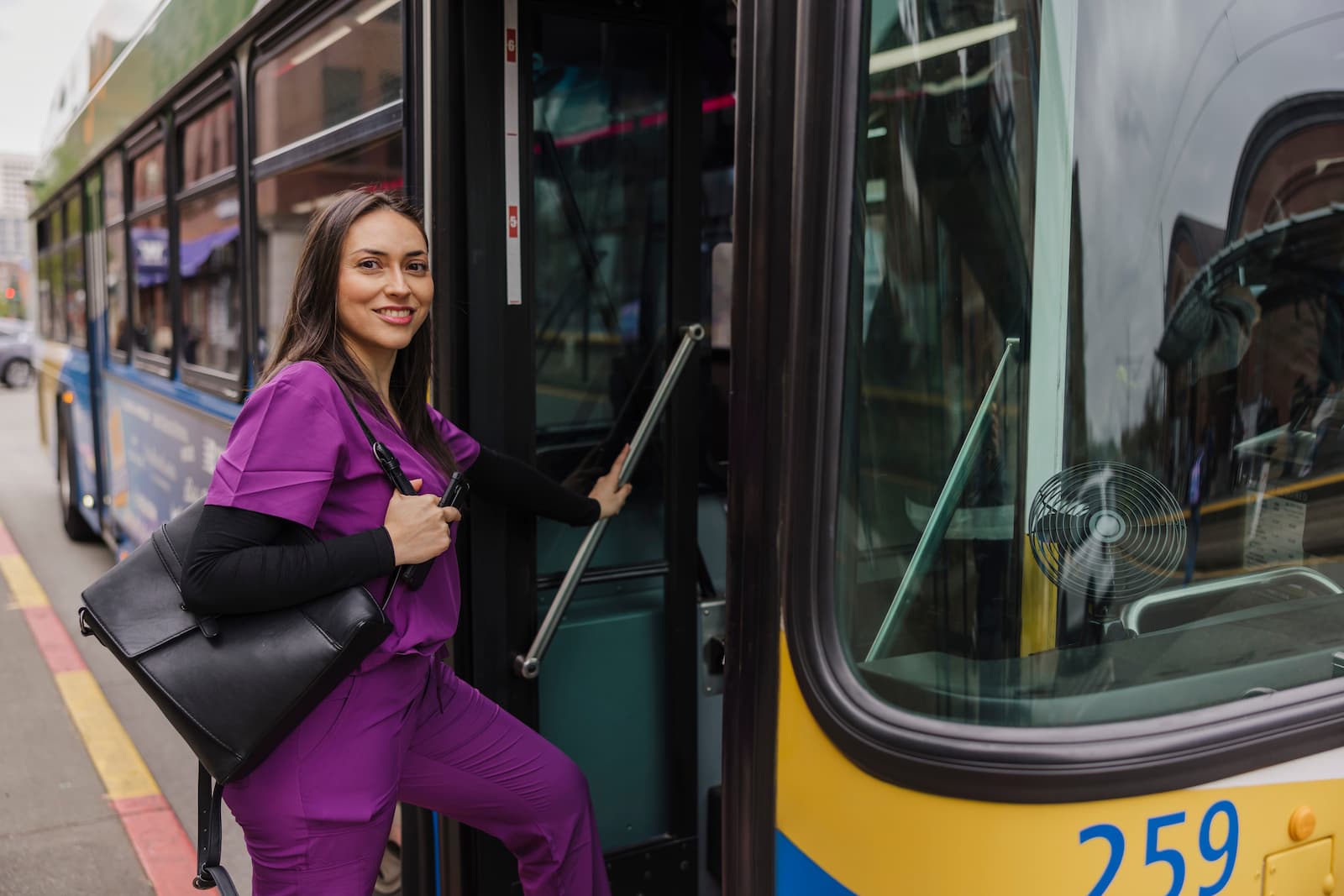
“Taking the bus turn[s] out to be not just about saving money or avoiding driving. It gave me time to slow down, meet someone, and have a bit of fun too. Funny how [a] small change in your routine can bring something really good.”
– Choose Your Way Bellevue Rewards Participant, CTR Affected Employee, King County
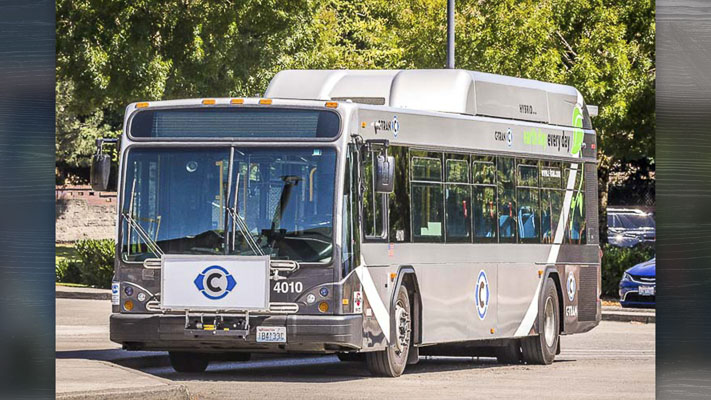
At Columbia Machine, our commitment to sustainable transportation through Commute Trip Reduction has not only reduced our environmental footprint but also improved employee satisfaction and retention. By supporting alternative commuting options, we’re aligning with our core values of innovation and improvement while contributing to a healthier, more connected community!
– Columbia Machine Inc. ,CTR Affected site, Clark County
“I love not driving and appreciate all the effort going in to making the city better for pedestrians!”
– CTR-affected employee, King County